
Advantages and Disadvantages of Bird Netting
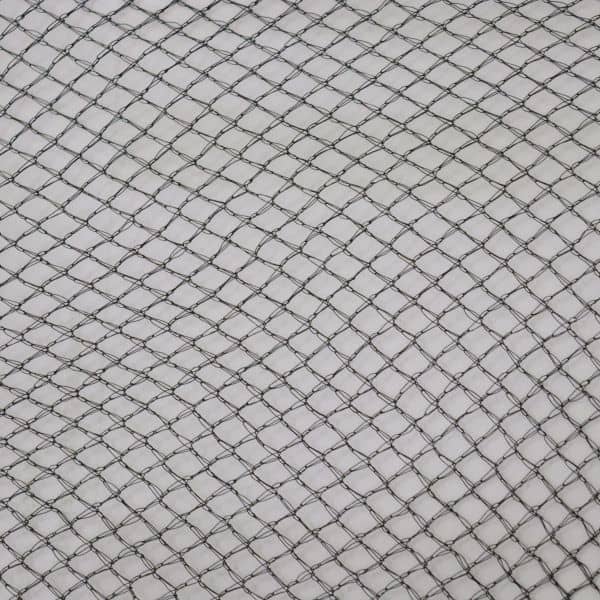
Bird netting is one of the most effective and widely used solutions for protecting fruits, vegetables, and crops from birds. Whether you are a home gardener or a commercial grower, birds can cause significant damage to ripening produce in a very short time. Bird netting creates a physical barrier that prevents birds from accessing crops while still allowing sunlight, air, and rain to pass through.
While bird netting offers excellent protection, it is important to understand both its benefits and limitations before choosing the right type for your garden. This guide explores the key advantages and disadvantages of bird netting to help you make an informed decision.
 Advantages of Bird Netting
1. Highly Effective Bird Protection
Bird netting is one of the most reliable methods to stop birds from feeding on fruit and crops. It physically blocks access, preventing losses to pests like parrots, pigeons, blackbirds, and mynas. Unlike scare tactics, nets provide continuous protection without relying on bird behaviour.
2. Safe and Non-Toxic
Bird netting offers a chemical-free solution to pest control. This makes it ideal for organic gardening, vegetable patches, and family-friendly environments where chemical repellents are not suitable.
3. Protects a Wide Range of Crops
Bird netting can be used for fruit trees, berries, grapevines, vegetable beds, and seedlings. It is equally effective for strawberries, tomatoes, citrus, grapes, and stone fruits.
4. Durable and Long-Lasting
High-quality UV-stabilised bird netting is designed to resist sun damage and harsh weather conditions. With proper installation and care, bird netting can last for several growing seasons.
5. Cost-Effective in the Long Term
Although the upfront cost may be higher than temporary deterrents, bird netting offers excellent long-term value. It protects crops year after year, reducing the need for frequent replacement or loss of produce.
Disadvantages of Bird Netting
1. Risk to Birds if Installed Incorrectly
If netting is loose, poorly tensioned, or has large openings, birds can become entangled, leading to injury or death. This is especially important in Australia, where wildlife protection regulations apply in some states.
2. Installation Can Be Time-Consuming
Proper installation requires frames, posts, or support structures. For large gardens or trees, fitting the netting correctly may be labour-intensive.
3. May Restrict Access to Plants
Once installed, netting can make it difficult to access plants for pruning, harvesting, or watering. Frequent lifting and re-securing can be inconvenient.
4. Limited Protection Against Insects
Bird netting is designed primarily for birds and does not prevent damage from insects such as fruit fly unless fine insect mesh is used instead.
5. Environmental Concerns with Plastic Netting
Most bird netting is made from synthetic plastic materials that are not biodegradable. Poor disposal can contribute to environmental pollution if not managed responsibly.
Pros and Cons Comparison Table
| Advantages of Bird Netting | Disadvantages of Bird Netting |
|---|---|
| Provides strong physical protection against birds | Can trap birds if installed incorrectly |
| Chemical-free and wildlife-safe when properly used | Installation can be time-consuming |
| Suitable for fruits, vegetables, vines, and trees | Can restrict easy access for harvesting |
| UV-stabilised options last multiple seasons | Standard netting does not stop insects |
| Reduces crop loss significantly | Plastic netting is not biodegradable |
| Cost-effective over time | Requires support structures |